
Great Zimbabwe Ruins: Ancient Stones, Timeless Stories
Table of Contents
🪨 Where Legends Were Built: The Great Zimbabwe Ruins
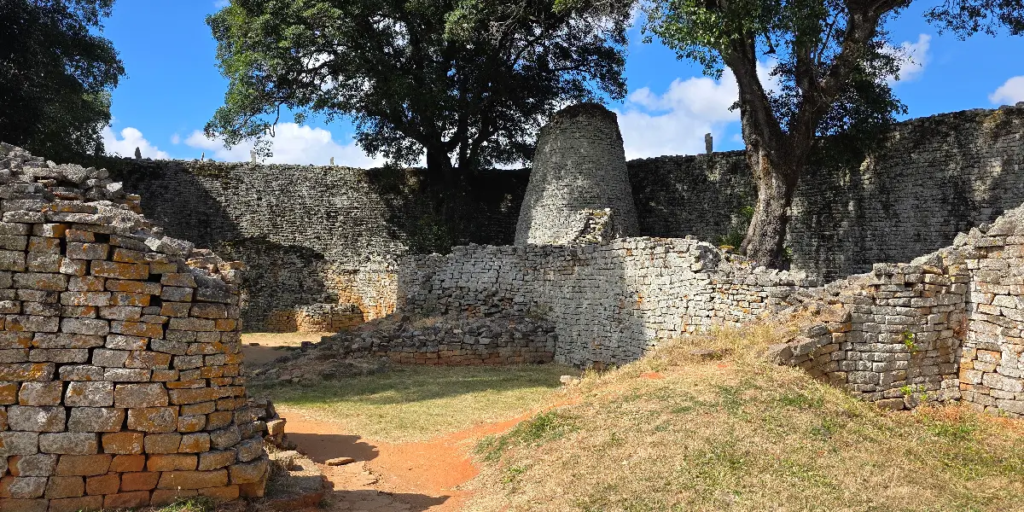
Long before skyscrapers, hashtags, and Wi‑Fi passwords, there was Great Zimbabwe Ruins – a city of stone built by the ancestors of the Shona people between the 11th and 15th centuries. At its peak, it was the capital of a powerful African kingdom that traded gold, ivory, and culture across the continent and beyond.
The name “Zimbabwe” itself comes from dzimba dza mabwe, “houses of stone.” These ruins didn’t just inspire a nation’s name; they sparked centuries of curiosity, pride, and debate. Today, they stand as one of the most iconic Zimbabwe historical sites, a UNESCO World Heritage treasure, and a must‑visit for anyone seeking to understand ancient African architecture and the ingenuity of African kingdoms.
🧱 What Makes It Great?
- No mortar, no problem: The walls, some over 11 metres high, were built without cement, yet still stand centuries later.
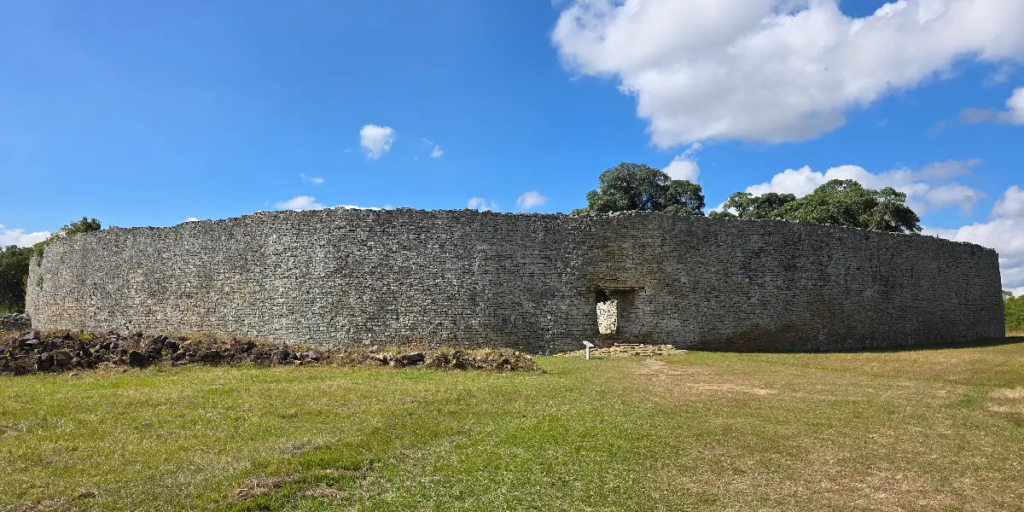
- Architectural genius: The Great Enclosure is the largest ancient structure south of the Sahara.
- Symbolic design: The conical tower, soapstone birds, and passageways all hint at spiritual and political significance.
- Fun fact: The soapstone bird carvings found here are now national symbols, featured on Zimbabwe’s flag and currency.
Visiting Great Zimbabwe is humbling. You’ll stand before walls built without cement that have lasted over 900 years, while modern city councils in some countries struggle to keep potholes filled for more than 9 months. Proof that ancient engineers had patience, skill, and maybe better project managers than we do today.
📍 Must‑See Sections at Great Zimbabwe Ruins
| Area | Highlights |
|---|---|
| Great Enclosure | Massive walls, conical tower, royal vibes |
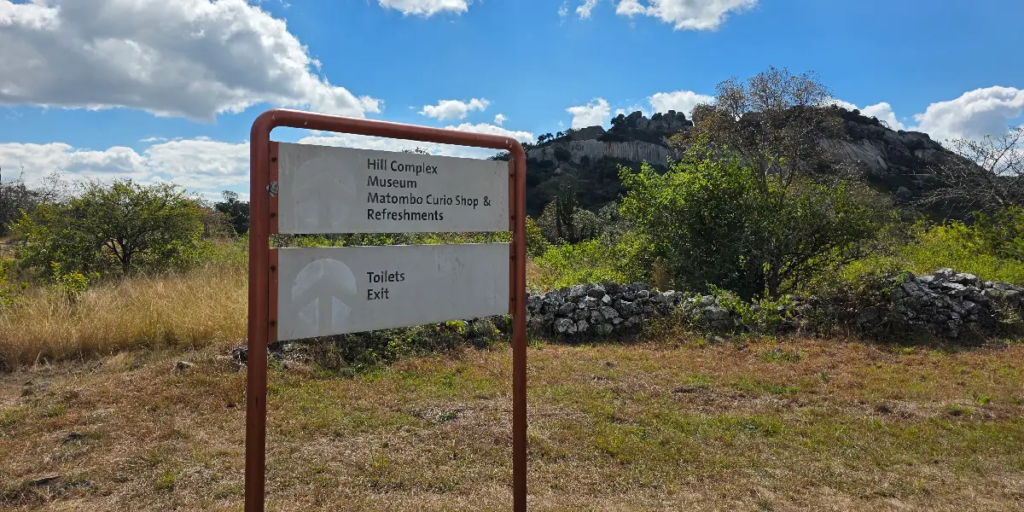
| Hill Complex | Sacred site, panoramic views |
| Valley Ruins | Everyday life of ancient citizens |
| Museum | Artefacts, trade maps, soapstone birds |
Pro Tip: Start at the museum to get context, then hike up to the Hill Complex for sunrise or golden hour shots.
🕰️ Timeline of Great Zimbabwe
| Era | What Happened |
|---|---|
| 11th Century | Settlement begins, stone architecture rises |
| 13th-15th Century | Peak of trade, political power |
| 16th Century | Decline due to overpopulation, resource strain |
| 19th Century | Rediscovered by explorers, misattributed to outsiders |
| 20th Century | Reclaimed as African heritage, national pride |
🌍 A Trading Empire
Great Zimbabwe was the capital of the Kingdom of Zimbabwe, thriving on cattle, crops, gold, and ivory trade. Artefacts found here include Chinese porcelain, Persian glass beads, and coins from Kilwa, proving its global connections centuries before globalization became a buzzword.
Imagine: while medieval Europe was still debating the usefulness of bathing, Zimbabweans were trading with Asia and the Middle East.
🦅 Symbols of Pride
The Zimbabwe Bird, carved from soapstone, was discovered here and is now the national emblem. These carvings are displayed in the on‑site museum, alongside other artefacts that prove the sophistication of this civilization.
🧭 Great Zimbabwe Travel Guide
- Location: 30 km southeast of Masvingo, about a 4‑hour drive from Harare.
- Opening hours: Daily, 6:00 AM – 6:00 PM.
- Best time: Early morning or late afternoon, when the granite glows in golden light.
- Guides: Highly recommended – they’ll point out hidden details like chevron patterns and acoustic tricks of the stone passages.
- Museum: Don’t miss it – it’s where the Zimbabwe Birds and other treasures are kept.
🏨 Where to Stay
| Type | Options | Vibe |
|---|---|---|
| Budget | Lodge at the Ancient City | Rustic, close to ruins |
| Mid‑range | Great Zimbabwe Hotel | Comfortable, family‑friendly |
| Luxury | Pamushana Lodge (further out) | Exclusive, safari‑style |
📸 Photo Ops & Vibes
- Golden hour at the Hill Complex – epic light, sweeping views
- Conical tower symmetry – perfect for Instagram or print
- Close‑ups of stonework – textures that tell stories
- Soapstone bird replicas – cultural icons with flair
🧳 What to Pack
| Item | Why You Need It |
|---|---|
| Hiking shoes | Uneven terrain, especially on the Hill |
| Water bottle | It gets hot – hydration is key |
| Sunscreen & hat | Protect against midday sun |
| Camera/phone | You’ll want to capture everything |
| Notebook | For sketching, journaling, or poetry |
💬 Voices from the Stones
“When you walk through Great Zimbabwe, you don’t just see history, you hear it.” – Tendai, local historian
“These stones speak. They whisper of kings, traders, and ancestors who built with vision and pride.” – Nyasha, tour guide
🌿 Things to Do in Masvingo
- Pair your visit with Lake Mutirikwi or Kyle Recreational Park for boating and birdwatching.
- Explore Masvingo town for local crafts and cuisine.
- Combine with a safari in Gonarezhou National Park or Hwange National Park for a full Zimbabwean adventure.
✨ Why You Should Visit Great Zimbabwe Ruins
- For locals: It’s your heritage – the very name of our country comes from this site.
- For regional visitors: It’s Southern Africa’s answer to the pyramids, but with fewer crowds and more mystery.
- For international tourists: It’s a rare glimpse into African civilization that challenges outdated stereotypes and celebrates ingenuity.
📝 Final Word
Great Zimbabwe is not just ruins, it’s a living testimony to African achievement, resilience, and creativity. Whether you’re a Zimbabwean rediscovering your roots, a regional traveler seeking cultural depth, or an international visitor chasing world wonders, this site will leave you inspired.
And if you’re lucky, you’ll leave with more than just photos… perhaps a newfound respect for the builders who proved that civilization doesn’t need steel or concrete to stand tall.
Share your experiences from Great Zimbabwe Ruins… would you recommend others to visit? If you have not been when are you making a visit?



No Comments